
Let’t talk about something that happens more than you think: A student walks into your classroom – bright, capable, full of potential – and one day they say something like:
“I think I might want to join the military.” OR “I talked to a Marine Recruiter today.”
And in that moment, you become a major influence in their life.
You may not have realized it, but in the eyes of that student, your reaction carries weight. What you say next – your body language, your tone, your belief – can shape how they move forward with one of the biggest decisions of their life.
As a Marine Corps Career Recruiter who has worked with thousands of young men and women, I have seen how much teachers matter. I have also seen how easily good intentions can accidentally misguide a student simply due to a lack of understanding about what military service actually is – and what it is not.
So this article isn’t about trying to “sell” the military. It is about helping you, as an educator, understand the facts, the opportunities, and the responsibilities that come with this path – so when a student asks, you’re prepared to answer.
First Things First: Military Interest Is Not a “Fallback” Plan
One of the most common myths we hear is this:
“He’s just joining the military because he doesn’t know what else to do.” Or “She’s better than that – she could go to college.”
Here is the truth: many of today’s military recruits are going to college. In fact, thousands of them are doing it on the government’s dime, with no student loan debt, real-world leadership experience, and a resume that is anything but average by the time they are 22.
For many people, especially those who crave something more that just another four years of school, the military is not a fallback – it is a launchpad.
They’re looking for adventure. Purpose. Brotherhood. Direction. And they’re not “lost.” They’re exploring something bold – and they need mentors like you who won’t talk them out of it just because it is unfamiliar.
Your Support Isn’t About Agreement – It Is About Guidance
Here is something I always tell parents, teachers, and coaches:
You don’t have to agree with their decision. But please don’t dismiss it.
The most successful students who enlist – whether in the Marines or another branch – are the ones who’ve had open, informed conversations with the people they respect the most.
This includes you.
You don’t have to say, “Yes! Join the military!” But what if you said something like:
“That’s a big decision. Have you thought about what you want out of it?” “What made you consider that path?” “Let me know what you find out – I’d love to hear more.”
That is not endorsement .
That is mentorship. And in their eyes? That is everything.
5 Things Every Teacher Should Know About Today’s Military
Let’s clear up some common misunderstandings so you can speak with confidence when that conversation comes up.
1. It Is Not All Combat
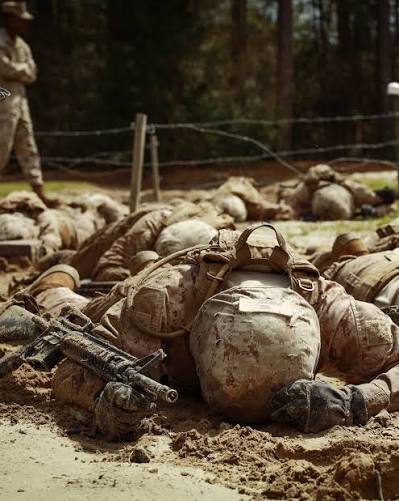
Hollywood shows one version of military life – and it is almost always boots, guns, and combat.
But today’s military is diverse in skill sets. In the Marine Corps alone, we have jobs in aviation, logistics, intelligence, cybersecurity, engineering, linguistics, and much more.
We still make warriors – but we also produce highly trained, highly skilled professionals who come out with experience most college grads can’t compete with.
2. They Can Still Go to College (And Probably Will)
College and the military aren’t either/or. They’re often “both-and.”
Between the GI Bill, Tuition Assistance, and Joint Service transcripts, students can serve and earn a debt-free degree, while building a resume with experience, gaining travel opportunities, and personal growth that puts them light years ahead of their peers.
In fact, some choose to serve first because they want to pay for college the smart way.
3. They’ll Learn Real Leadership Fast
I have seen 18-year-olds take charge of million-dollar equipment. I have watched 20-year-olds lead 10-person teams in high-pressure environments. Where else does that happen?
The military teaches confidence, communication, and leadership under stress. Skills that aren’t just valuable, they’re transferable to every industry.
We’re not just building service members. We’re building future CEO’s, entrepreneurs, and leaders.
4. It’s Not Forever (Unless They Want It to Be)
Another myth: If they join, they’re “locked in” for life.
Nope.
Most enlistments are 4 years active duty. Some are in the Reserves (which means they serve part time while going to school or working full time). After that? They can move on, go to college, enter the workforce – or choose to stay if it is the right fit.
The military is a chapter, not the whole book.
5. They’ll Come Back Different – in the Best Way
You know those students who need structure? Discipline? A boost of confidence?
Military service has a. way of developing those things quickly. They leave home as high school graduates. They come back as young professionals with maturity, skills, and a whole new perspective.
But What About the Risks?
It is a fair question. The military involves sacrifice. There is risk. We don’t hide that or sugarcoat it.
But there is also risk in taking out student loans for a degree with no job guarantees. There is risk in drifting through life without direction, structure, or discipline. There is risk in not stepping into your potential just because the path looks hard.
The difference is – our risk comes with training, purpose, and reward. And we prepare our people better than any other organization I know.
What Can You Say When a Student Brings It Up
You don’t need to be a military expert. You just need to be a voice of curiosity and support.
Here are a few phrases you can keep in your back pocket to help have the conversation:
- “That is an interesting option. What draws you toward that?”
- “Have you spoked with a recruiter yet? What questions do you still have?”
- “Do you know what job fields are available? You’d be great at [X].”
- “If you need someone to help you think it though, I’m here.”
Sometimes, that is all they need – a green light to explore without judgement.
A Real Story: From Student to Sergeant
I once worked with a young man named David.
David was a high school senior with a solid GPA, but no clear direction of where to go or what to do after graduation. College didn’t feel right. He didn’t want to sit through four more years of lectures. But he was smart. Driven. Coachable.
His history teacher encouraged him to check out the Marine Corps – not as a fallback, but as a launchpad. That nudge changed his life.
Fast forward: David is now a Sergeant, leading Marines, earning college credits, and planning to open a business when he finishes his service.
He didn’t take the “easy” path. He took the intentional one. And it started with a teacher who didn’t shut the door.
Final Thoughts: Teachers, You’re the First Recruiters
Whether you realize it or not, you are an influencer.
Not in the social media sense, but in the real-world, life-shaping way. Your words matter. Your tone matters. Your willingness to explore their dreams – especially when they don’t look like yours – matters.
When a student says they’re interested in the military, it is not a crisis. It is an opportunity. Not just for them – but for you to be part of their journey in a meaningful and impactful way.
So ask questions. Stay curious. And when in doubt, encourage then to get informed – not from rumors or old stereotypes, but from people like me, whose job is to answer their questions, not pressure them.
We don’t want just anyone in the Marine Corps. We want the right one.
Sometimes, those are the kids sitting in your classrooms, just waiting for someone believe in them.
Want to learn more about how the Marine Corps helps young people grow as leaders, students, and professionals? I am always happy to talk – no pressure, just facts. Reach out to me on Linked In or connect with a recruiter in your local area.
 The Career Recruiter
Leave a comment